
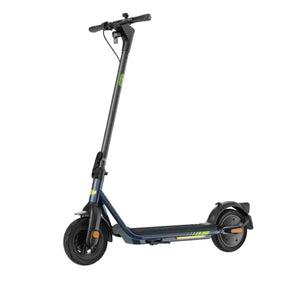
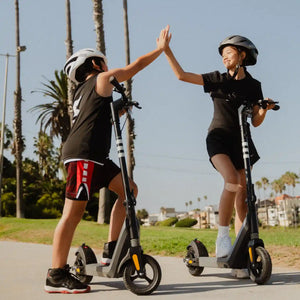
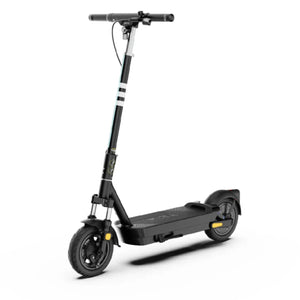

The micro mobility industry is evolving fast — and so are the laws that govern it. In 2026, governments across the U.S. and internationally have introduced stricter safety rules for e-bikes and e-scooters. From battery certification standards to licensing requirements and speed restrictions, regulation is becoming one of the most important topics in the industry.
Here’s a clear breakdown of what’s new and what it means for riders, retailers, and manufacturers.
Why 2026 Is a Turning Point for Micro-mobility
Rapid adoption of electric bikes and scooters has brought undeniable benefits: cleaner transportation, reduced congestion, and more accessible urban mobility. However, increased usage has also raised concerns about:
-
Battery fire risks
-
High-speed e-bike modifications
-
Sidewalk safety
-
Youth riders and helmet compliance
-
Insurance and liability issues
As a result, 2026 is seeing tighter regulation focused primarily on safety, accountability, and product standards.
🇺🇸 Major U.S. Safety Regulation Updates in 2026
1. New Jersey: Licensing, Registration & Insurance Requirements
As of January 2026, New Jersey now requires:
-
Rider licensing (motorized bicycle classification)
-
Vehicle registration
-
Liability insurance coverage
This marks a major shift — treating many e-bikes more like motorized vehicles than traditional bicycles. The move aims to improve accountability and road safety, though it has sparked debate within the industry.
2. California: Battery Safety & Equipment Certification
In California, new 2026 laws focus heavily on product safety:
-
Mandatory third-party battery and electrical system certification
-
Stricter reflector and lighting requirements
-
Helmet enforcement policies tied to education programs
These updates address growing concerns over lithium-ion battery fires and electrical component failures. For retailers, compliance and documentation are now critical.
3. Arizona & Local Ordinances
Cities in Arizona are introducing local ordinances due to limited statewide guidance.
For example, Glendale implemented:
-
Age minimums for riders
-
Helmet requirements for minors
-
Nighttime lighting rules
-
Escalating fines for violations
This reflects a broader national trend: municipalities stepping in where state frameworks lag.
4. Florida: Speed Limits & Pedestrian Protections
Legislators in Florida are advancing proposals to:
-
Limit speeds near pedestrians (e.g., 10 mph on sidewalks)
-
Improve crash reporting systems
-
Establish safety task forces
The focus is shifting toward shared-space safety rather than outright restrictions.